
Why Every Growing Business Needs a Custom Web Application
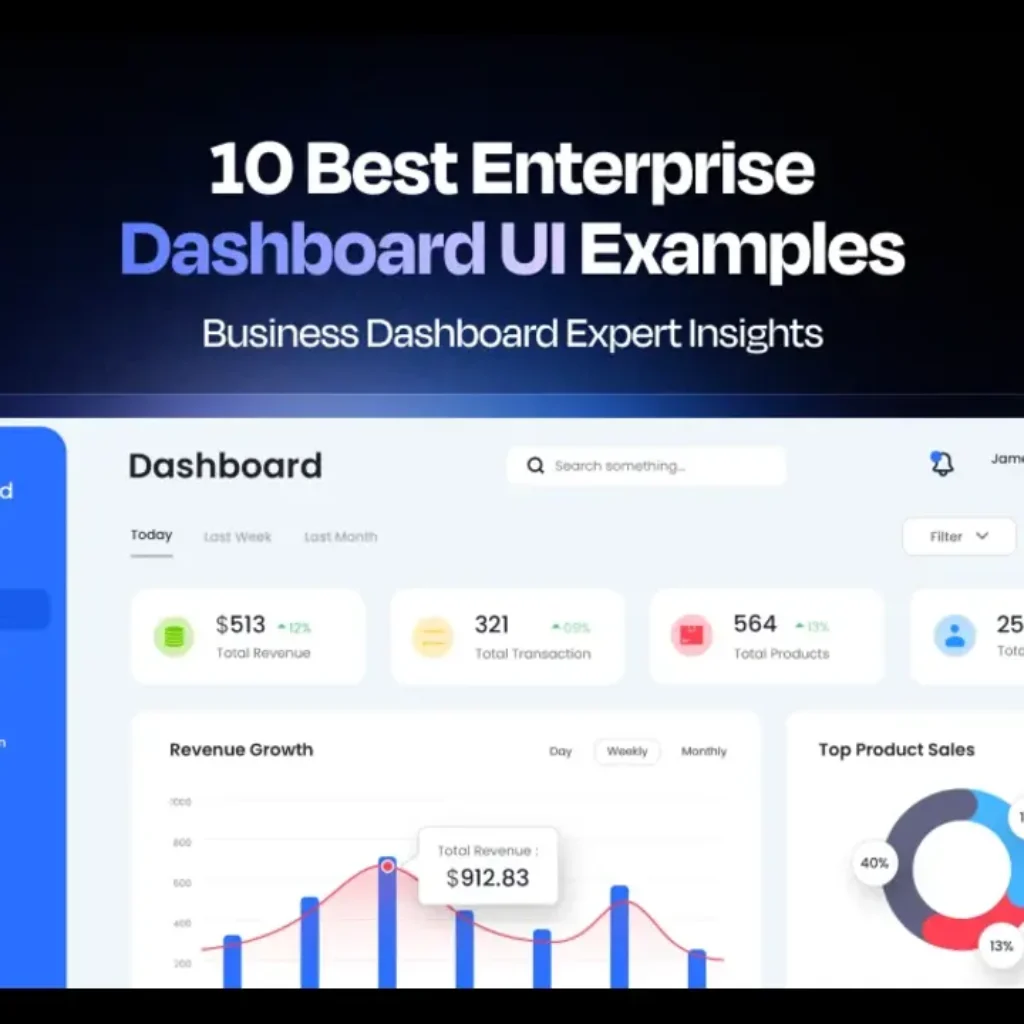
Introduction In today’s digital-first world, businesses rely heavily on software to manage operations, serve customers, and scale efficiently. While off-the-shelf solutions may seem convenient, they often fail to meet specific business requirements. This is where custom web applications become a game-changer. A custom web application is designed specifically around your business goals, workflows, and long-term vision. 1. Tailored to Your Business Needs Unlike generic software, custom web applications are built around your exact requirements. Whether you need a CRM, ERP, internal dashboard, or customer portal, custom solutions ensure every feature serves a purpose. This results in improved productivity and smoother operations. 2. Scalability and Future Growth As your business grows, your software must grow with it. Custom web applications are designed to scale effortlessly, allowing new features, users, and integrations without major system overhauls. This future-proof approach saves time, money, and technical debt. 3. Enhanced Security and Data Control Custom applications provide complete control over security protocols. Sensitive business data remains protected through customized authentication, authorization, and encryption mechanisms. This is especially critical for enterprises handling financial, healthcare, or confidential customer data. 4. Seamless Integrations Modern businesses rely on multiple tools and platforms. Custom web apps can seamlessly integrate with third-party APIs, payment gateways, analytics tools, and cloud services, creating a unified digital ecosystem. Conclusion A custom web application is not an expense—it is an investment in efficiency, scalability, and competitive advantage. Businesses that prioritize custom solutions gain flexibility, control, and long-term sustainability.
Mobile App Development Trends Businesses Can’t Ignore in 2026
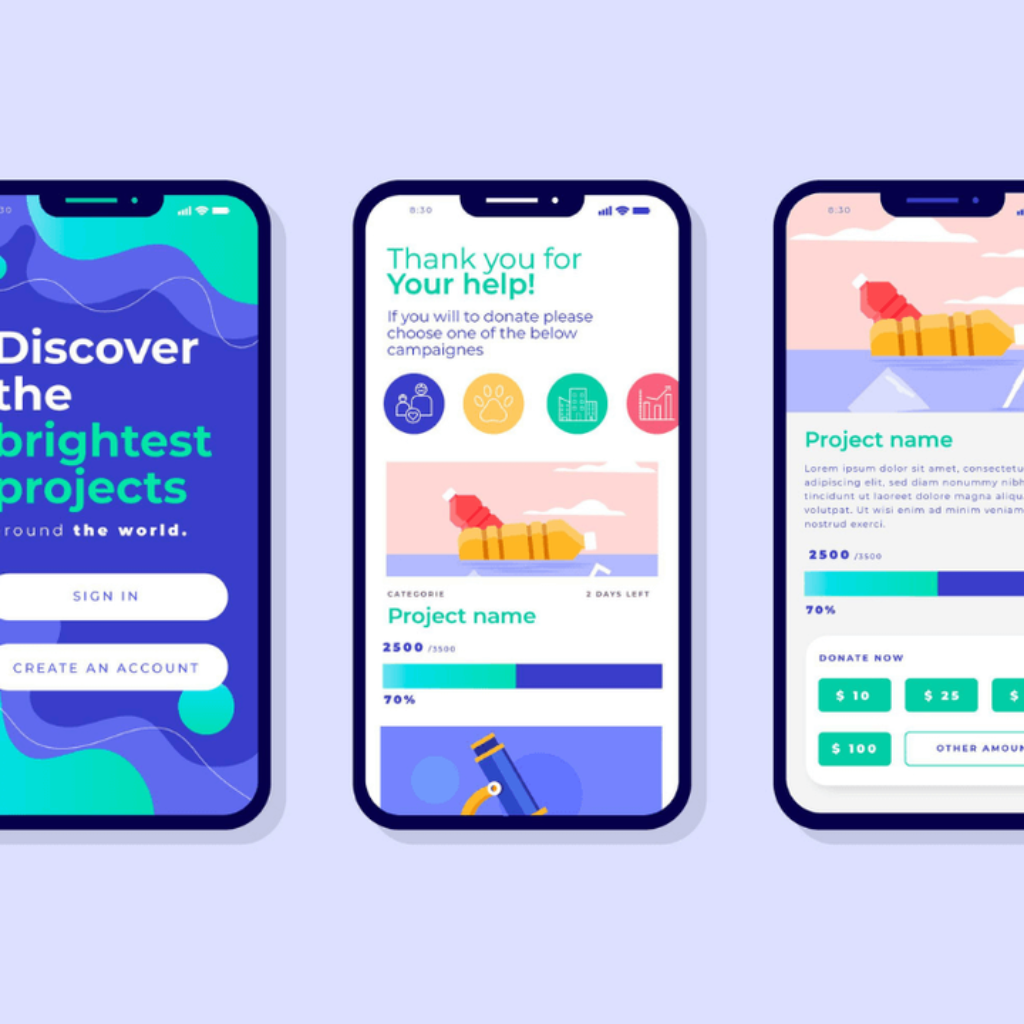
Introduction Mobile applications have become the backbone of digital engagement. From e-commerce and fintech to healthcare and education, mobile apps play a crucial role in customer interaction and business growth. Understanding upcoming mobile app development trends is essential for staying relevant. 1. Cross-Platform Development Dominance Frameworks like Flutter and React Native enable businesses to build apps for multiple platforms using a single codebase. This reduces development time, cost, and maintenance efforts while ensuring consistent user experience. 2. AI-Powered Personalization AI-driven mobile apps offer personalized recommendations, adaptive interfaces, and intelligent automation. This enhances user engagement and improves retention rates. 3. Superior UI/UX Design Modern users expect intuitive, visually appealing, and smooth experiences. Micro-interactions, motion design, and accessibility-focused UI are now standard practices. 4. Secure Payments and Subscriptions With increasing in-app purchases and subscriptions, secure payment integration is critical. Businesses must prioritize data protection, compliance, and user trust. Conclusion Mobile app development is no longer just about functionality—it’s about experience, intelligence, and trust. Companies that align with modern trends create apps users love and businesses rely on.
How Artificial Intelligence Is Transforming IT Companies and Startups

Introduction Artificial Intelligence has moved beyond experimentation and into real-world implementation. IT companies and startups are leveraging AI to automate operations, enhance decision-making, and deliver smarter solutions. Key Areas of Transformation Business Impact AI enables faster decisions, reduced costs, and better customer experiences. Companies adopting AI early gain a significant competitive advantage. Conclusion AI is not replacing IT companies—it is redefining them. Businesses that embrace AI innovation today are shaping the digital future.
Cloud Computing: The Backbone of Modern IT Infrastructure
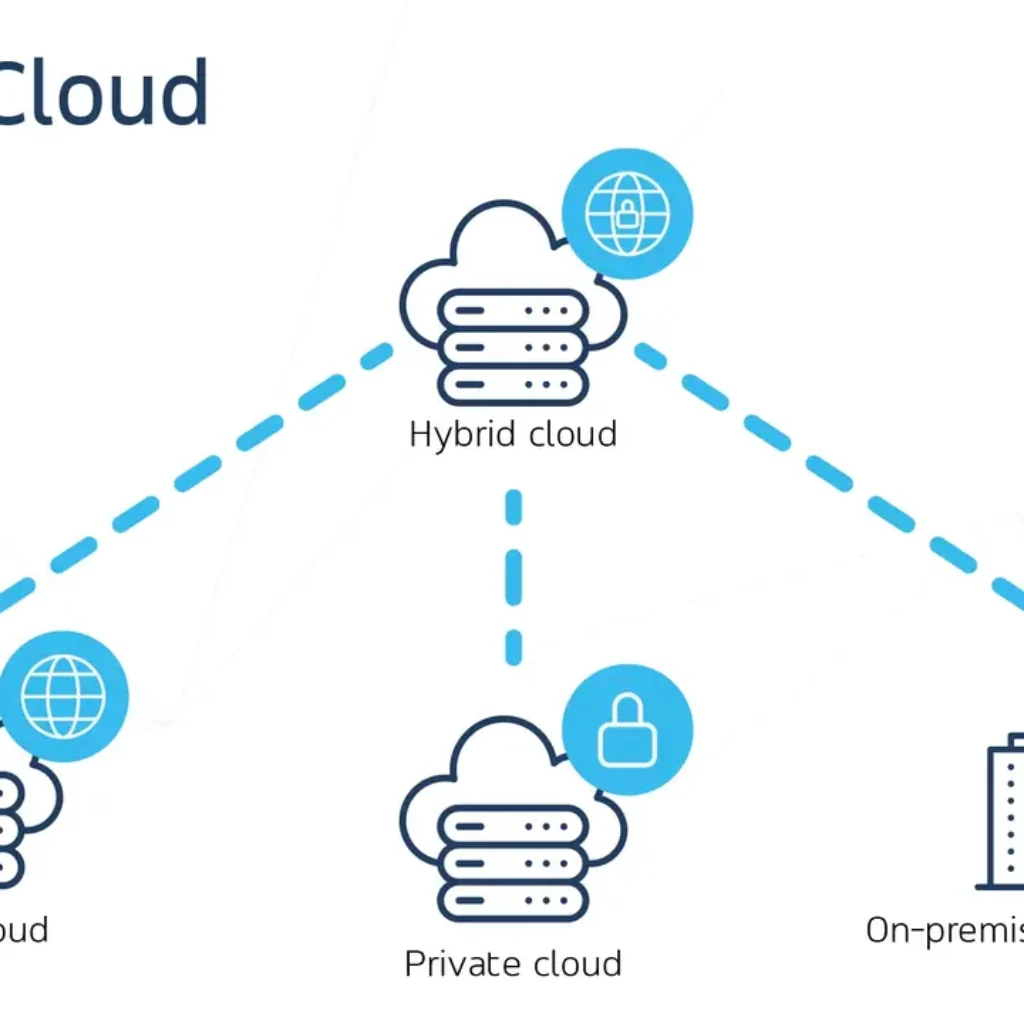
Introduction Cloud computing has revolutionized how businesses build, deploy, and manage applications. It offers flexibility, scalability, and cost-efficiency unmatched by traditional infrastructure. Benefits of Cloud Adoption Cloud for Startups vs Enterprises Startups benefit from low entry costs and fast deployment, while enterprises leverage cloud for performance, reliability, and innovation. Conclusion Cloud computing is no longer optional—it is essential. Businesses investing in cloud infrastructure position themselves for long-term success.