
Introduction
Software development is evolving faster than ever before. What once revolved around writing lines of code has now transformed into a complex ecosystem driven by artificial intelligence, cloud computing, automation, and global collaboration. As we move into 2026 and beyond, businesses that fail to adapt to modern software development trends risk falling behind their competitors.
In this blog, we explore the key trends shaping the future of software development and how IT companies and businesses can prepare for what lies ahead.
1. AI-Assisted Development Is Becoming the New Normal
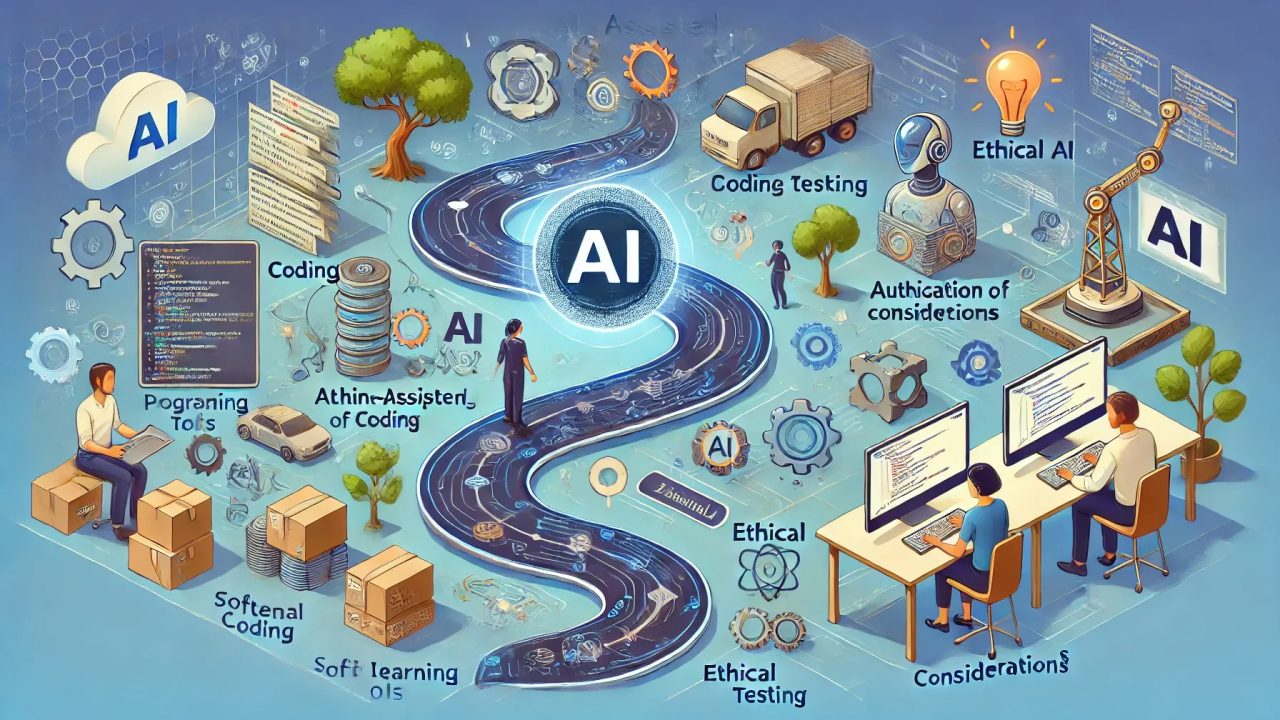
Artificial Intelligence is no longer an optional add-on in software development. AI-powered tools now assist developers in writing cleaner code, identifying bugs early, and even suggesting architectural improvements. From automated testing to intelligent code reviews, AI significantly improves productivity and reduces development time.
For businesses, this means faster product launches, reduced costs, and higher-quality software solutions.
2. Rise of Low-Code and No-Code Platforms
Low-code and no-code platforms are empowering non-technical users to build functional applications with minimal developer involvement. While traditional development will always remain essential for complex systems, these platforms accelerate internal tools, dashboards, and workflow automation.
Forward-thinking IT companies are already integrating low-code solutions alongside custom development to deliver faster results for clients.
3. Cloud-Native Architecture Is the Standard
Modern applications are now built cloud-first. Cloud-native architectures enable scalability, reliability, and performance optimization at a global level. Microservices, containerization, and serverless computing allow businesses to scale applications dynamically based on demand.
This shift also improves disaster recovery, uptime, and overall system resilience.
4. Cybersecurity-First Development
With rising cyber threats, security can no longer be an afterthought. Secure-by-design development practices are becoming mandatory. From data encryption and secure APIs to compliance with global regulations, software security is now deeply embedded in the development lifecycle.
Businesses partnering with IT companies must ensure security is treated as a core feature, not an optional upgrade.
5. Remote and Distributed Development Teams
The future of software development is borderless. Distributed teams allow companies to access global talent, reduce operational costs, and ensure round-the-clock productivity. Advanced collaboration tools and cloud-based workflows make remote development efficient and scalable.
Conclusion
The future of software development is intelligent, automated, secure, and cloud-driven. Businesses that align with these trends will gain a competitive edge, while those that resist change may struggle to survive. Choosing the right technology partner is crucial in navigating this evolving landscape.
Artificial Intelligence is no longer an optional add-on in software development. AI-powered tools now assist developers in writing cleaner code, identifying bugs early, and even suggesting architectural improvements. From automated testing to intelligent code reviews, AI significantly improves productivity and reduces development time.
For businesses, this means faster product launches, reduced costs, and higher-quality software solutions.